
A buyer searching for a 2 or 3 BHK in Shela usually hears the same story.
“Roads are improving.”
“New infrastructure is coming.”
“Drainage work is almost complete.”
“Metro connectivity will improve.”
“Prices will rise once infrastructure is finished.”
Then comes the pressure:
“Sir, this is the right time. Once the infrastructure projects are completed, you won’t get this price.”
I have seen this type of conversation many times in developing residential markets.
The problem is not that every statement is false.
The problem is that different infrastructure projects are at different stages, and buyers often treat a proposed project, an awarded tender, an ongoing construction project and a completed infrastructure facility as if they mean the same thing.
They don’t.
For anyone researching Shela Ahmedabad infrastructure development 2026, this distinction is extremely important.
Shela genuinely has major infrastructure work underway or planned. AUDA’s 2026–27 programme includes road and drainage-related work, while current tender records show new TP-road construction, regrading and resurfacing work covering Shela and neighbouring areas. At the same time, recent monsoon reporting shows that drainage and stormwater infrastructure remain genuine weaknesses in parts of Shela.
So my advice is simple:
Don’t buy a property in Shela because someone tells you infrastructure is coming. Buy only after you understand exactly which infrastructure is coming, where it is located, what stage it has reached and whether it actually improves the specific property you are considering.

Why Shela's Infrastructure Story Is More Complicated Than the Brochure
Shela has changed dramatically from a peripheral development area into a major residential market on Ahmedabad’s western side.
That growth has created a familiar problem.
Residential construction has moved faster than civic infrastructure in some pockets.
A February 2026 report highlighted that AUDA had approved more than 50 residential/commercial projects around Club O Seven Road and VIP Road over the previous decade, while essential stormwater, drainage and water networks were still being developed.
This is the part buyers need to understand.
A new apartment building can be completed in a few years.
A properly planned drainage network serving multiple neighbourhoods takes much longer.
The result is that you can have:
- Attractive apartment towers
- Large gated communities
- Clubhouses
- Schools
- Retail
- Restaurants
while still having:
- Road bottlenecks
- Waterlogging
- Incomplete stormwater networks
- Drainage issues
- Utility work
- Construction traffic
That is why I would never evaluate a Shela property only by looking at the building.
The road outside the building is part of the property-buying decision.
What Is Actually Changing in Shela in 2026?
The positive news is that infrastructure development is no longer just a vague future promise.
There are identifiable projects and government programmes.
But they need to be separated into categories.
Major infrastructure themes currently relevant to Shela
Stormwater drainage
This is arguably the most important infrastructure issue for existing residents.
Recent reporting in August 2026 said a ₹240 crore drainage network project in Shela had reached around 75% completion, while a separate ₹135 crore stormwater network project for Shela and surrounding areas was only around 30% complete. The report said the drainage project was expected to finish before the end of 2026, while the stormwater project could extend beyond the 2027 monsoon.
This is a critical distinction.
“Drainage work is 75% complete” does not mean “Shela has solved its waterlogging problem.”
The network has to function as a connected system.
Shela Infrastructure Projects: Road Development
Road infrastructure is another major part of the 2026 story.
Current AUDA tender information shows a project for:
Construction of new TP roads, regrading and resurfacing of different-category TP roads in Section 6 covering Shela, Sanathal, Manipur, Godhavi and related areas.
The tender’s estimated value is approximately ₹33.84 crore.
There has also been road resurfacing work as part of the Infrastructure development in Shela Ahmedabad, specifically associated with Shela TP Schemes 1 and 3, with a reported tender value of about ₹18.35 crore.
For a buyer, this is useful evidence.
It shows that road infrastructure is not simply a broker’s talking point.
There is actual government procurement activity.
But there is another important lesson:
A tender is not a completed road.
When a broker says:
“The new road is coming.”
Ask:
- Has the tender been awarded?
- Has work started?
- What is the alignment?
- Which property will benefit?
- What is the expected completion date?
- Is the road inside the approved TP scheme?
- Is your project’s access dependent on it?
That is how you convert an infrastructure story into a buying decision.
The Drainage Problem Buyers Should Not Ignore
If I were buying property in Shela in 2026, drainage would be one of my first checks.
Not the clubhouse.
Not the lobby.
Not the elevation.
Drainage.
Why?
Because drainage affects:
- Daily access
- Basement parking
- Roads
- Ground-floor areas
- Maintenance
- Vehicle movement
- Property perception
- Resale demand
Recent reporting in August 2026 said waterlogging worsened around Club O7 Road and VVIP Road during the monsoon. It also reported that a stormwater network project covering Shela and surrounding areas remained significantly incomplete.
Another August 2026 report said some areas of Bopal, Ghuma and Shela experienced prolonged waterlogging after heavy rainfall, with some locations taking days for water to drain.
This does not mean:
“Don’t buy property in Shela.”
It means:
Don’t buy property in Shela without checking drainage at the micro-location level.
Two projects a short distance apart can experience very different access and waterlogging conditions.
The Bigger Infrastructure Plan: Water, Sewerage and Stormwater
The infrastructure story is broader than roads.
The Ahmedabad Peri-Urban Livability Improvement Project includes Shela, Manipur, Godhavi, Sanathal and Telav within its sewerage/stormwater component area. The Asian Development Bank project documentation identifies Shela and these surrounding towns as part of the project area.
AUDA’s current documentation also shows work under ADB packages, including a sewerage system and sewage treatment plant for:
- Ghuma
- Shela
- Manipur
- Godhavi
- Sanathal
- Telav
This matters because buyers often focus on the visible road and ignore underground infrastructure.
But underground infrastructure can have a greater effect on long-term liveability.
A wide road is useful.
A functioning drainage and sewerage network is essential.
Shela Infrastructure Development 2026: What Is Good News and What Is Not?
| Positive Development | Buyer Caution |
|---|---|
| New TP-road work | Construction can temporarily disrupt access |
| Road resurfacing | Resurfacing is not the same as widening |
| Drainage investment | Some stormwater work remains incomplete |
| Sewerage infrastructure | Completion timing matters |
| Government/ADB-backed infrastructure | Benefits depend on exact location |
| Increasing civic attention | Existing infrastructure gaps remain |
| Wider western Ahmedabad connectivity | Traffic can increase with development |
This is the balanced picture.
Anyone saying:
“Shela infrastructure is fully developed now”
is overstating the situation.
But someone saying:
“Nothing is happening in Shela”
is also wrong.
The reality is between those two extremes.
Step-by-Step Buyer Action Plan
Step 1: Location Selection
Don’t simply search for:
“Best area in Shela.”
Instead, identify the exact micro-market.
For example:
- Club O7 Road side
- VVIP Road side
- TP Scheme areas
- Ghuma-side connectivity
- Bopal-facing pockets
- Internal residential roads
- Main-road properties
Then check the actual approach road.
What to do
Visit the property:
- Morning
- Evening peak hours
- Weekend
- After heavy rain
Why it matters
A project can advertise:
“Excellent connectivity.”
But if the final 500 metres involve a narrow, damaged or waterlogged road, the marketing statement becomes practically irrelevant.
Mistake to avoid
Do not evaluate connectivity using Google Maps alone.
Drive the route.
Step 2: Budget and Price Validation
Infrastructure improvement often creates a premium.
Developers may say:
“Road work is coming, so prices are increasing.”
Don’t accept that argument automatically.
Ask:
How much of the infrastructure improvement has already been reflected in the asking price?
Suppose:
- Property A = ₹75 lakh
- Property B = ₹80 lakh
The broker says Property B deserves the premium because of future infrastructure.
You need evidence.
Compare:
- Carpet area
- Project age
- Construction quality
- Road width
- Parking
- Maintenance
- Floor
- Facing
- Possession
- Distance from major roads
- Actual infrastructure benefit
Infrastructure is valuable.
But you should not pay twice for it:
once through today’s inflated asking price and again through your future expectations.
Step 3: Builder and RERA Verification
The project itself must be checked.
For an under-construction property, verify:
- RERA registration
- Promoter details
- Approved plans
- Completion timeline
- Construction progress
- Quarterly updates
- Project amenities
- Litigation/complaints where available
Never rely on:
“RERA approved project.”
Ask for the registration number.
Then verify it independently.
Important distinction
A project being RERA registered does not mean:
“The project is risk-free.”
It means you have an important regulatory information source.
Use it.
Step 4: Site Visit Checklist
When visiting a Shela property, don’t spend the entire visit inside the sample flat.
Spend at least half of your inspection outside it.
Check the main approach road
Ask:
- Is it wide enough?
- Is there regular traffic?
- Does water accumulate?
- Are there open drains?
- Is construction material blocking access?
- Is street lighting adequate?
Check the internal road
A project may have an excellent main road but a poor internal approach.
Check the basement
Look for:
- Dampness
- Water marks
- Drainage channels
- Pumping systems
- Basement ventilation
Speak to residents
Ask:
“What happens here after heavy rain?”
This question can produce more useful information than a 30-minute sales presentation.
Step 5: Legal and Registry Checks
Infrastructure claims can influence property value, but they don’t replace legal verification.
Before buying:
- Verify title
- Check sanctioned plans
- Verify RERA details
- Check development permissions
- Check applicable TP scheme information
- Review agreement
- Verify parking rights
- Check property tax
- Check outstanding dues
- Obtain legal opinion where required
If the property is in a TP scheme, understand exactly what the relevant final plot and road planning means for the property.
Red flag
If a broker says:
“The government road is coming right outside this project.”
ask for the official plan.
Don’t rely on a WhatsApp map.
Step 6: Negotiation Strategy
Infrastructure work gives you both reasons to negotiate and reasons not to.
If a project is located beside a road under construction, temporary inconvenience can affect buyer experience.
If a project benefits from a newly completed road, the seller may reasonably demand a premium.
Your job is to establish how much that benefit is actually worth.
Strong negotiation question
Instead of:
“How much discount can you give?”
say:
“What comparable properties in the same micro-location are transacting at, and what measurable infrastructure advantage does this property have?”
That moves the conversation from emotion to evidence.
One Important Mistake: Confusing “Planned” With “Completed”
This is perhaps the most important lesson from Shela infrastructure projects.
There are several stages:
Stage 1 — Proposal
The project is discussed.
Stage 2 — Budget allocation
Money is provisioned.
Stage 3 — Tender
Contractors are invited.
Stage 4 — Award
A contractor is selected.
Stage 5 — Construction
Physical work begins.
Stage 6 — Completion
The infrastructure is actually usable.
These stages can take considerable time.
Therefore:
Never price a property as though Stage 1 infrastructure is already Stage 6 infrastructure.
A Current Example: Road Work
The 2026 AUDA tender for new TP roads, regrading and resurfacing across Section 6 includes Shela and nearby areas and has an estimated value of about ₹33.84 crore.
This is useful evidence of planned/contracted infrastructure activity.
But if you are buying a flat today, ask:
Is my property directly served by this road?
That is the question that matters.
A ₹33 crore infrastructure project 4 km away does not necessarily justify a ₹10 lakh premium on your apartment.
A Current Example: Drainage
The latest reporting provides an even more useful buyer lesson.
A ₹240 crore drainage network project in Shela was reported to be about 75% complete in August 2026, while a ₹135 crore stormwater network project was around 30% complete.
The lesson is not simply:
“Drainage is improving.”
The lesson is:
“Different parts of the drainage system are progressing at different speeds.”
Therefore, ask:
- Which network serves this project?
- Is the connection operational?
- Where does the stormwater discharge?
- Is the local road still prone to waterlogging?
- Does the project rely on pumping?
- What happens during extreme rainfall?
Those questions are much more valuable than simply knowing the project budget.
Case Study
Case Study 1: End-User Family
Illustrative scenario based on a realistic buyer decision, not a verified customer transaction.
A family has a budget of ₹85 lakh for a 3 BHK.
They shortlist two projects.
Property A
- ₹78 lakh
- Older project
- Established access road
- Existing residents
- Some infrastructure already functioning
Property B
- ₹84 lakh
- Newer project
- Better amenities
- Road improvement promised nearby
- Drainage work still ongoing
The family initially prefers Property B.
Why?
Because it looks newer.
But after visiting during evening traffic and after rainfall, they realise Property A offers more predictable daily access.
Purchase decision
They choose Property A at approximately ₹76 lakh after negotiation.
Illustrative current value
Suppose comparable properties later place the apartment around ₹88 lakh.
That is not a spectacular return.
But the family’s objective was not to double their money.
Their objective was:
A comfortable home with predictable access.
Lesson
For an end-user, infrastructure certainty can be more valuable than future infrastructure promises.
Case Study 2: Investor
Illustrative scenario, not a verified transaction.
An investor buys a 3 BHK for ₹80 lakh.
Expected rent:
₹25,000/month
Annual gross rent:
₹3 lakh.
Gross rental yield:
₹3 lakh ÷ ₹80 lakh = 3.75%
Suppose the property appreciates to ₹92 lakh over several years.
That is approximately 15% capital appreciation before transaction costs, taxes, maintenance and financing costs.
The investor’s result is reasonable, but not extraordinary.
What worked?
- Correct purchase price
- Strong tenant demand
- Established residential market
- Long holding period
What didn’t work?
The investor initially assumed infrastructure alone would create rapid appreciation.
It didn’t.
The actual return came from a combination of:
reasonable entry price + rental income + gradual appreciation.
Lesson
Infrastructure should be one factor in an investment thesis, not the entire thesis.
Buyer Experiences: Use Real Testimonials Carefully
For EEAT, I strongly recommend using real testimonials from your actual buyers or clients, rather than fabricated quotes.
If you have permission, examples of the right format would be:
IT Professional — 3 BHK buyer in Shela
“We initially focused on amenities. After checking the approach road and monsoon conditions, our priorities changed completely.”
PSU Employee — Family homebuyer
“The biggest difference was comparing two projects on actual access rather than just distance on Google Maps.”
NRI Buyer — Shela property
“I asked my local representative to inspect the area after heavy rain. That check influenced the decision more than the builder’s presentation.”
Do not publish these as genuine testimonials unless they are based on actual customers.
For a trust-focused article, honest attribution is more valuable than three impressive-looking but invented quotes.
What Current Infrastructure Data Tells Buyers
The current picture is mixed.
Positive
AUDA’s 2026–27 infrastructure programme has placed significant emphasis on roads and drainage, and the authority’s budget reportedly allocated about ₹3,101.73 crore toward infrastructure.
There are active road-related tenders covering Shela and surrounding areas.
Sewerage infrastructure for Shela and neighbouring towns is also part of the wider ADB-backed peri-urban project.
Negative
Waterlogging and stormwater management remain real concerns.
Recent August 2026 reporting indicates that parts of Shela continue to face drainage-related problems and that some stormwater work remains incomplete.
My interpretation
Shela is not an infrastructure-finished market.
It is an infrastructure-improving market.
That is a much more accurate description for a buyer in 2026.
What About Metro Connectivity?
This is where buyers need to be particularly careful.
Ahmedabad Metro Phase II has expanded the Ahmedabad–Gandhinagar network, including the GNLU–GIFT City connection, and the complete Phase II network has been commissioned. GMRC also identifies further Phase 2B work extending the network from GIFT City toward Shahpur.
There is also a proposed/ongoing Metro Phase III corridor involving Godhavi to Canal Road, with GMRC tendering design and investigation work in 2026.
But do not make this mistake:
“Metro is coming near Shela, therefore my property will definitely appreciate.”
First establish:
- Exact station
- Exact alignment
- Walking/road distance
- Approved status
- Construction status
- Expected operational date
- Whether the property actually benefits
A metro line can improve a region without producing the same benefit for every project.
How Buyers Should Read Infrastructure Announcements
Whenever you hear:
“Government has approved ₹X crore.”
Ask:
Question 1
What exactly is being built?
Question 2
Where?
Question 3
What is the current stage?
Question 4
Who is implementing it?
Question 5
When is completion expected?
Question 6
Will my property directly benefit?
Question 7
Has the benefit already been reflected in today’s property price?
This seven-question method can prevent you from paying a premium for an infrastructure story that may take years to materialise.
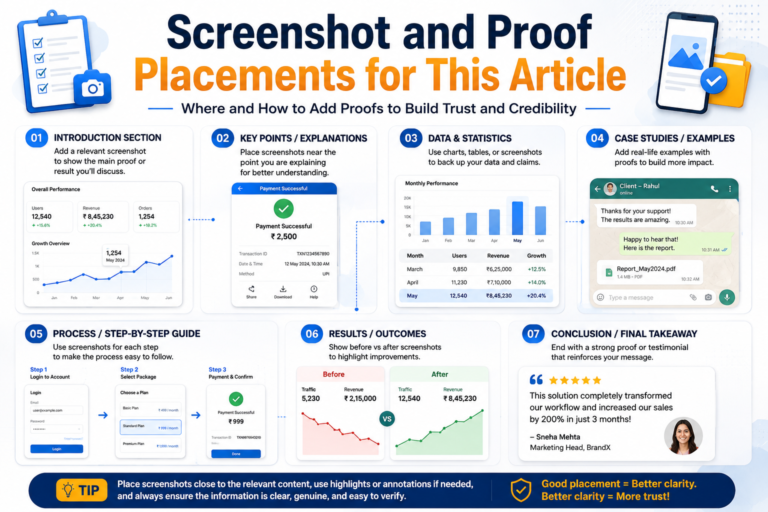
Screenshot and Proof Placements for This Article
Who This Guide Is NOT For
This guide is not for someone looking for a quick property flip.
It is not designed to identify:
- Overnight appreciation
- Rumour-based opportunities
- “Pre-launch” speculation
- Guaranteed returns
- Insider information
It is also not for a buyer who wants to purchase solely because:
“Shela infrastructure is improving.”
That is not enough.
Who Should Wait Before Buying?
I would consider waiting if:
You are buying only for infrastructure appreciation
If your entire investment thesis is:
“Roads will improve, therefore prices will rise.”
you need a stronger argument.
You need immediate, predictable access
If your office, school or family commitments require reliable daily commuting, inspect the actual route before committing.
You are financially stretched
Do not use future infrastructure appreciation to justify a property you cannot comfortably afford today.
You are buying an under-construction property
If the project itself has delivery uncertainty and the surrounding infrastructure is also incomplete, you are stacking two risks together.
I would be cautious.
Should You Rent Instead?
Renting can make sense if:
- Your job location may change
- You are uncertain about Shela
- Your children may change schools
- You are waiting for infrastructure completion
- You are not ready for a 15–20 year financial commitment
- You want to observe how the locality performs through multiple monsoons
Renting is not “wasting money” if it helps you avoid a ₹70–90 lakh purchasing mistake.
That is a much more useful way to think about housing decisions.
If I Were Buying This Property Today
I would buy selectively — not blindly.
If I were buying a property in Shela today, I would not reject the locality.
There is too much genuine infrastructure activity to make that conclusion.
But I would also not pay a major premium for infrastructure that is still under construction.
My preferred property
I would choose:
A ready-to-move or near-possession property in an established pocket with good approach-road conditions, functional drainage, strong construction quality and a price supported by comparable properties.
I would prefer this over:
A heavily marketed new project whose biggest selling point is future infrastructure.
What would I negotiate hardest?
I would negotiate based on the actual condition of the surrounding infrastructure.
If the road is still under construction or drainage remains unresolved, I would use that as a legitimate negotiation factor.
I would also compare at least five nearby properties before making an offer.
The one red flag I would not ignore
Repeated waterlogging or unreliable access after heavy rainfall.
I would not dismiss it by saying:
“The government project will fix it.”
Maybe it will.
But I am buying the property today.
I want to know what risk I am accepting today.
My 2026 Verdict on Shela Infrastructure
My assessment is:
Short term
Mixed.
Infrastructure work can create inconvenience before it creates benefits.
Medium term
Positive, but execution-dependent.
Road, drainage and sewerage investment should improve liveability if projects are completed properly.
Long term
Potentially positive.
A better-connected, better-serviced Shela can support residential demand.
But buyers should not pay today’s price based entirely on tomorrow’s infrastructure.
The Most Important Lesson for Homebuyers
When researching Shela Ahmedabad infrastructure development 2026, don’t ask:
“What infrastructure is coming?”
Ask:
“What infrastructure is actually under construction, what has been completed, and which part directly benefits the property I am buying?”
That single change in thinking separates a serious buyer from someone following a broker’s sales pitch.
Shela has genuine infrastructure projects.
There are active road works.
There are drainage and stormwater projects.
There are sewerage initiatives.
There are broader connectivity improvements.
But there are also real infrastructure gaps today.
Recent monsoon conditions have demonstrated those gaps rather than hiding them.
So the correct conclusion is not:
“Shela is bad.”
And it is not:
“Shela will definitely boom.”
The more useful conclusion is:
Shela is an improving residential market where infrastructure execution should be treated as a property-selection factor, not a guaranteed appreciation story.
Conclusion:
If you are considering a flat in Shela, I would not tell you to wait for every infrastructure project to finish.
That could mean waiting several years.
Instead, I would use a simpler rule:
Buy now if:
- You genuinely need the property
- Your finances are comfortable
- The project is legally sound
- The price is reasonable
- The approach road works today
- Drainage is acceptable
- The property works without relying on future appreciation
Wait if:
- The property is overpriced because of “future infrastructure”
- You cannot verify the infrastructure claim
- Your preferred route currently has serious access problems
- Drainage is a major concern
- The project itself has delivery uncertainty
- You are buying only because a broker says prices will rise
This is the difference between buying a property and buying a story.
In 2026, Shela has both.
Choose the property, not the story.
FAQ: Real Buyer Doubts
Is Shela a good place to buy a flat in 2026?
Will infrastructure development increase property prices in Shela?
Is Shela fully developed in terms of infrastructure?
Is waterlogging still a problem in Shela?
Which is more important when buying in Shela: roads or drainage?
References
About the Author